The piece, final
One bronze, five lives, one strip.
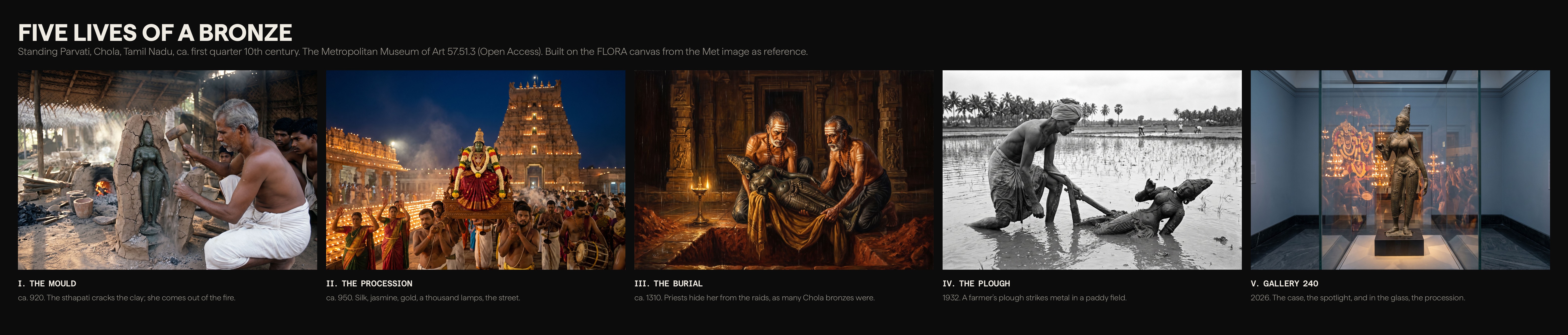
Three passes on the FLORA canvas, every take kept. Pass 1 below is where it started; pass 2 and pass 3 follow the five lives.
Pass 1
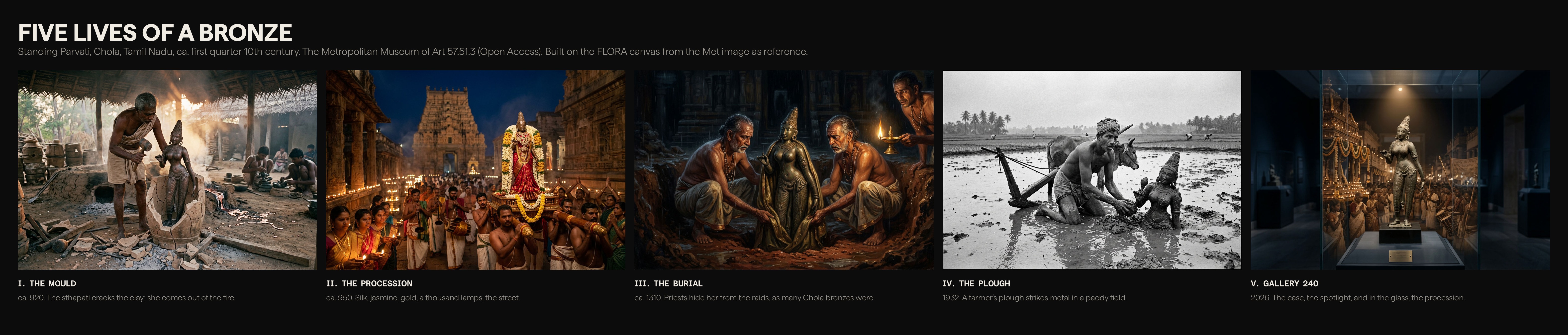
A Chola bronze was never meant to live in a glass case. She was cast to be dressed in silk, garlanded, and carried through the streets by lamplight. This entry takes the Met's tenth-century Standing Parvati and builds the world around her: five true moments from the thousand years between the mould and the museum.
Three passes on the FLORA canvas, every take kept. Pass 1 below is where it started; pass 2 and pass 3 follow the five lives.
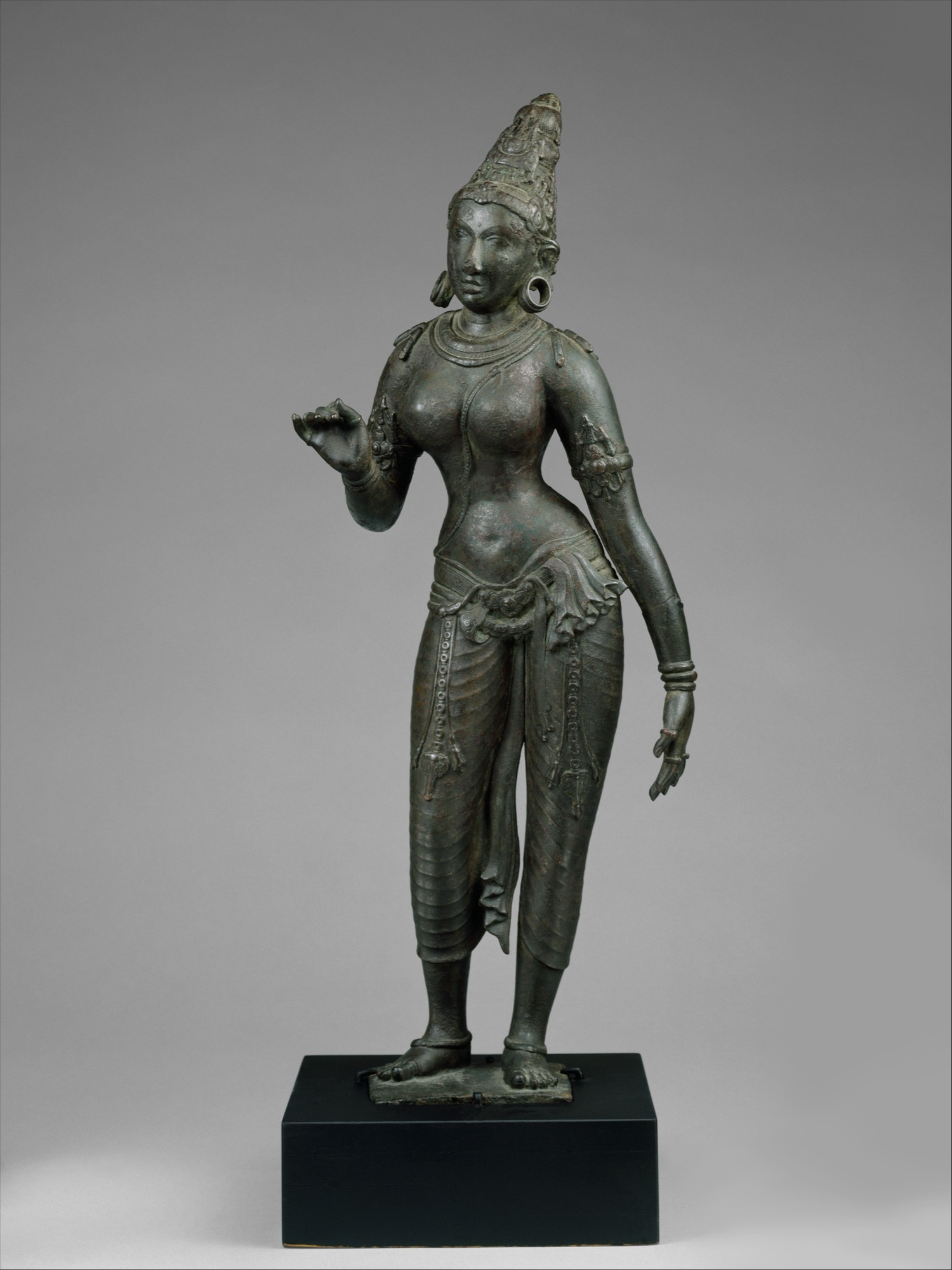
Chola bronzes are utsava murtis, processional images. They lived in a sanctum, came out on festival nights dressed in silk and jasmine, and were carried on palanquins through the streets of the Kaveri delta. In a museum she stands stripped, silent and spotlit, and the label says nothing about any of that.
Instead of remixing her surface, the brief here is the second one in the challenge: build the world around it. The room she was made in, the street she was carried through, the pit she was hidden in, the field she was found in, and the gallery where she stands now.
I spend every morning on a practice whose whole point is to see the form of the Goddess. A Chola sthapati saw that form a thousand years ago and poured it into copper. This is that seeing, un-frozen.
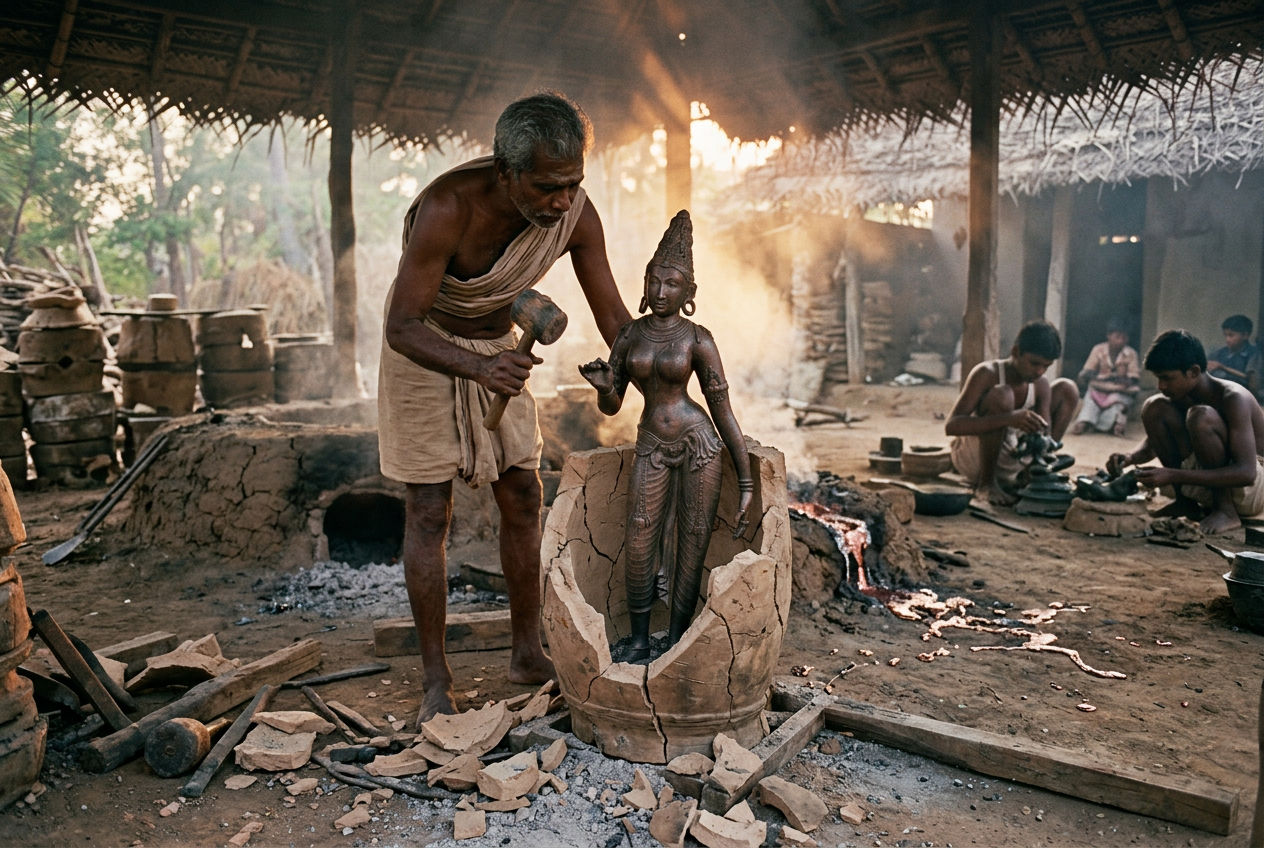
Lost-wax casting. The wax goddess is coated in clay, the wax melts out, molten alloy pours in, and the mould is broken exactly once. Every Chola bronze is one of one.
Rendered as 35mm film, a documentary from a century that had no cameras.
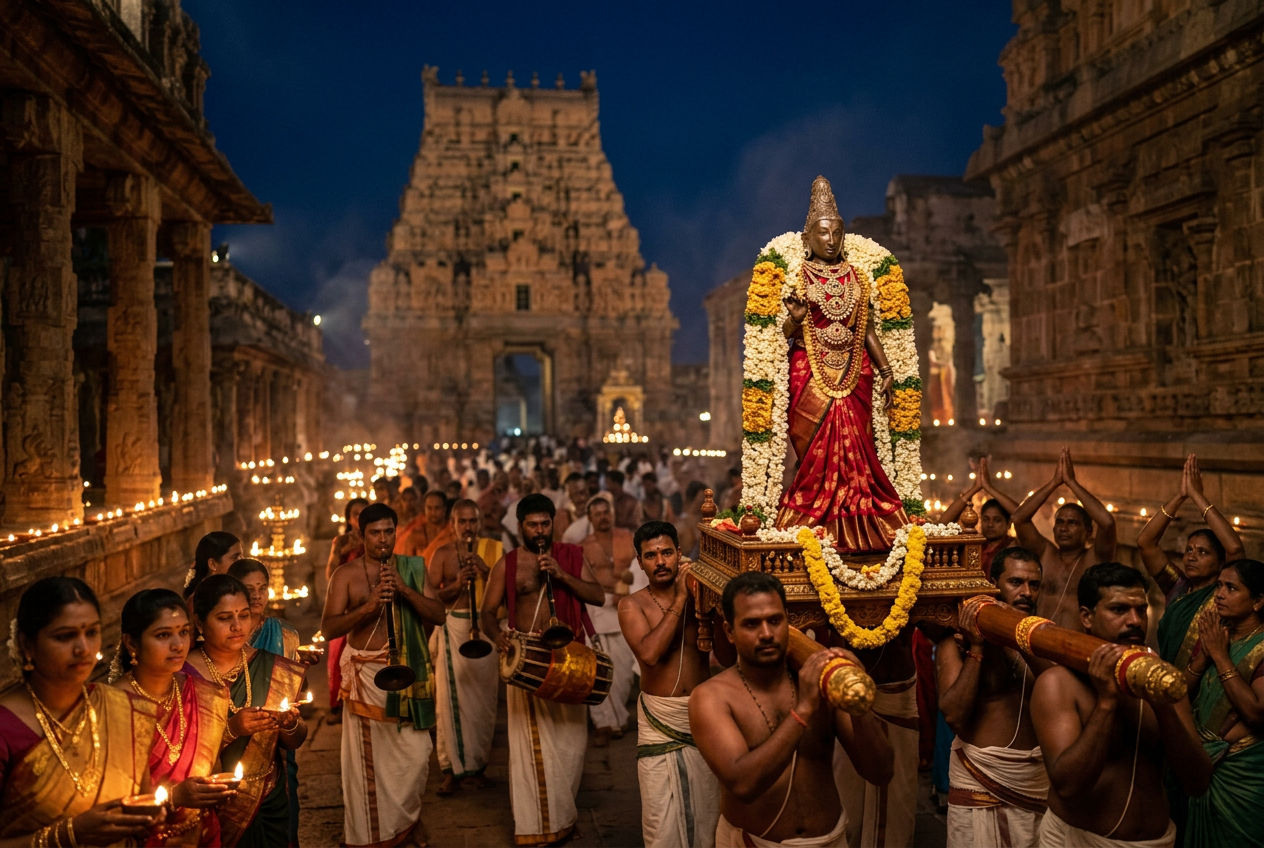
Silk, jasmine, gold, a thousand oil lamps, drummers, raised palms. This is the life the museum case removes. The hero frame of the series.
Rendered in cinematic colour.
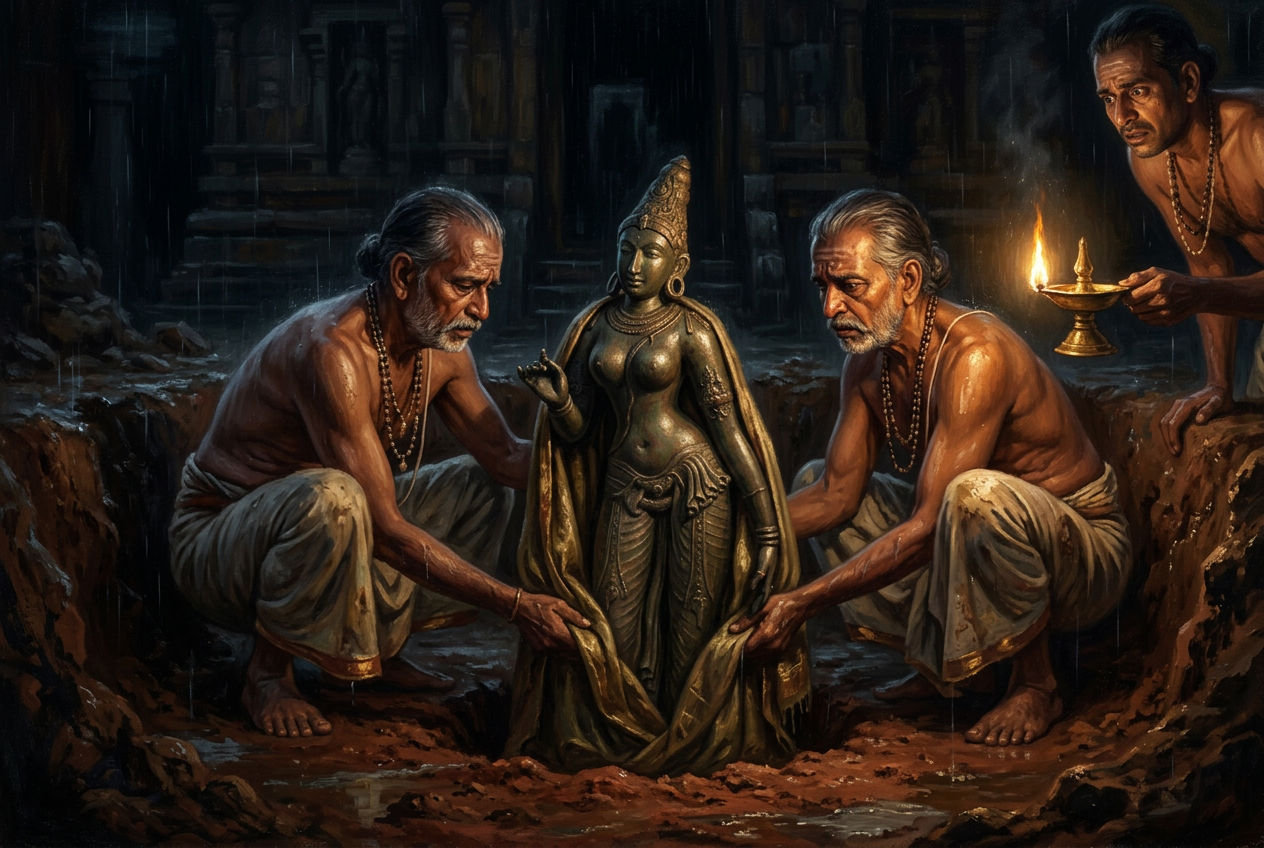
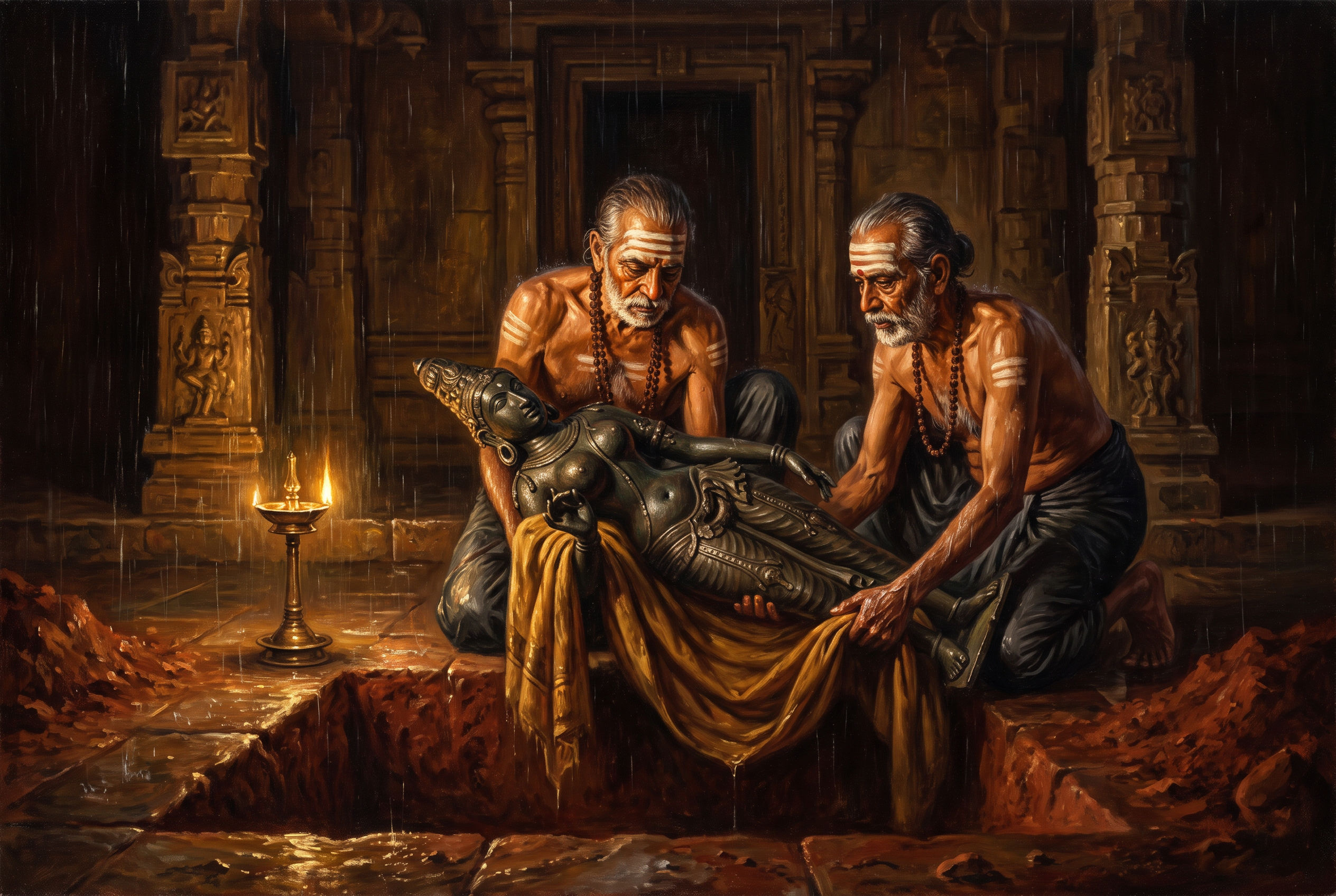
When the Sultanate armies reached the Tamil country, temple priests buried their bronzes to save them. Many Chola bronzes in museums today were found this way.
Rendered as an oil painting, because this moment survives only as memory.
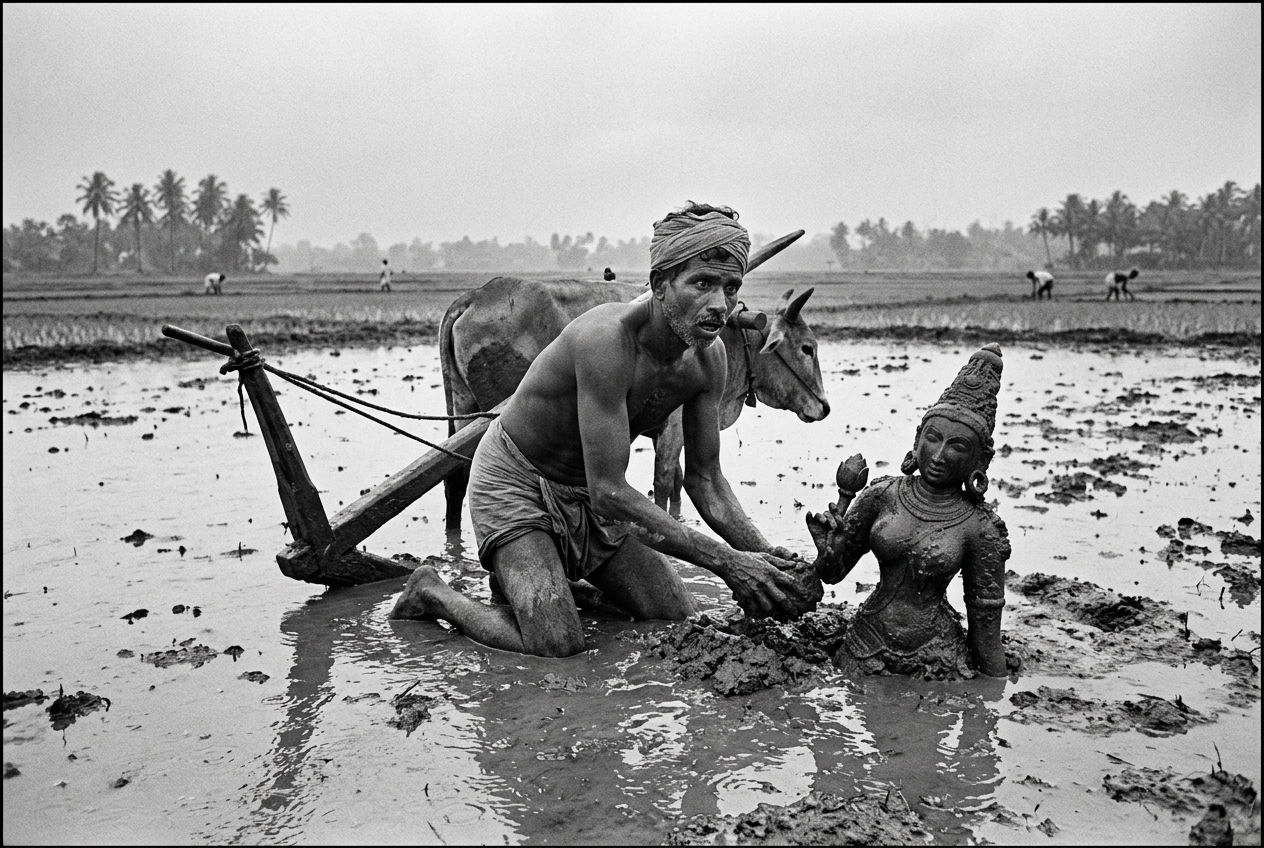
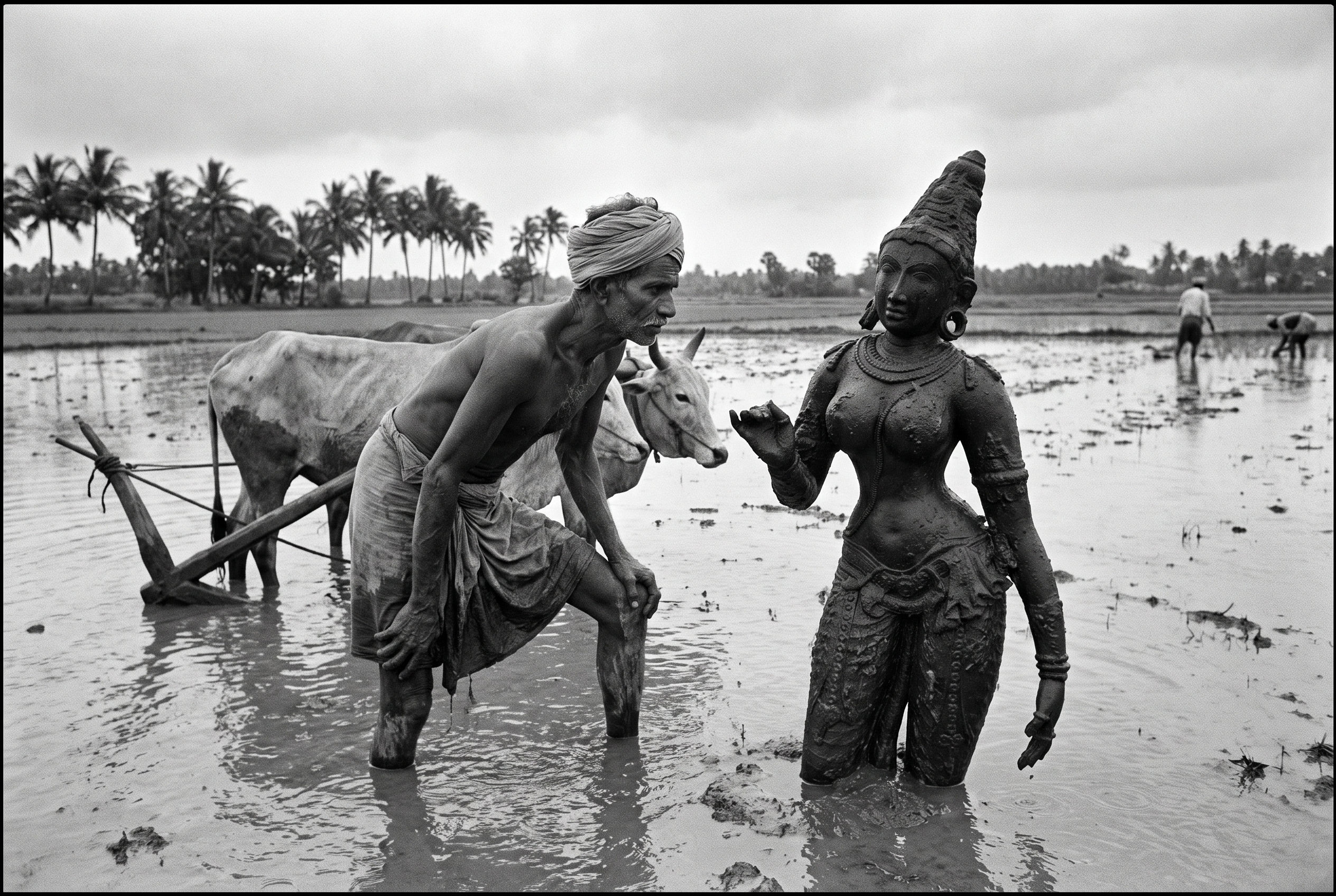
Farmers ploughing kept striking metal. That is how the buried bronzes came back into the world through the twentieth century, one field at a time.
Rendered in black and white, the documentary medium of that decade.
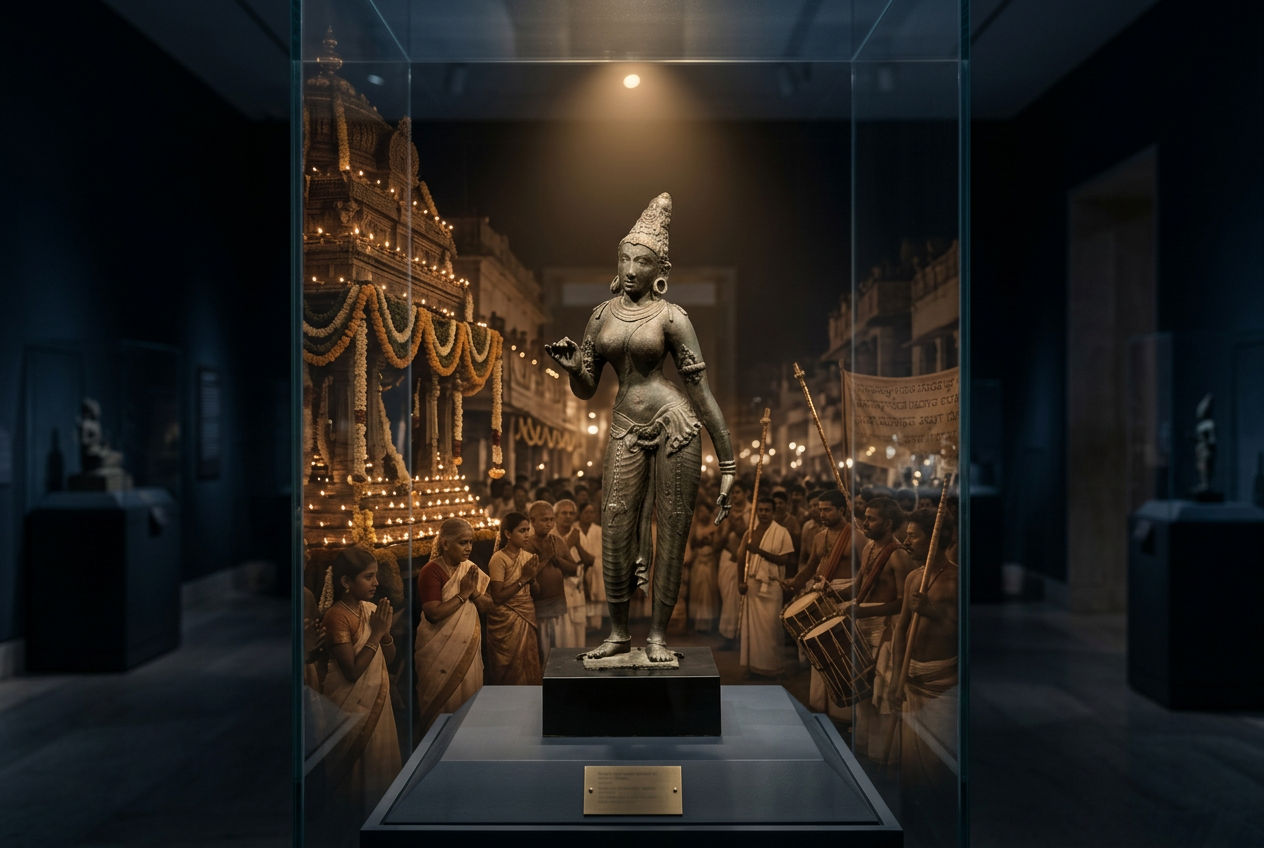
The case, the spotlight, and in the glass, faintly, the procession. Her old life is still in the room if you look.
Rendered as museum photography, the medium of now.
Pass 1 above was Nano Banana 2 at 1K. Pass 2 re-runs every life on Nano Banana Pro at 2K with tighter art direction: lens, film stock, light and the exact iconography of the bronze (karanda-mukuta crown, kataka mudra, lola-hasta). Two takes per life, both kept. Picks: mould A, procession A, burial B, plough A, gallery B.
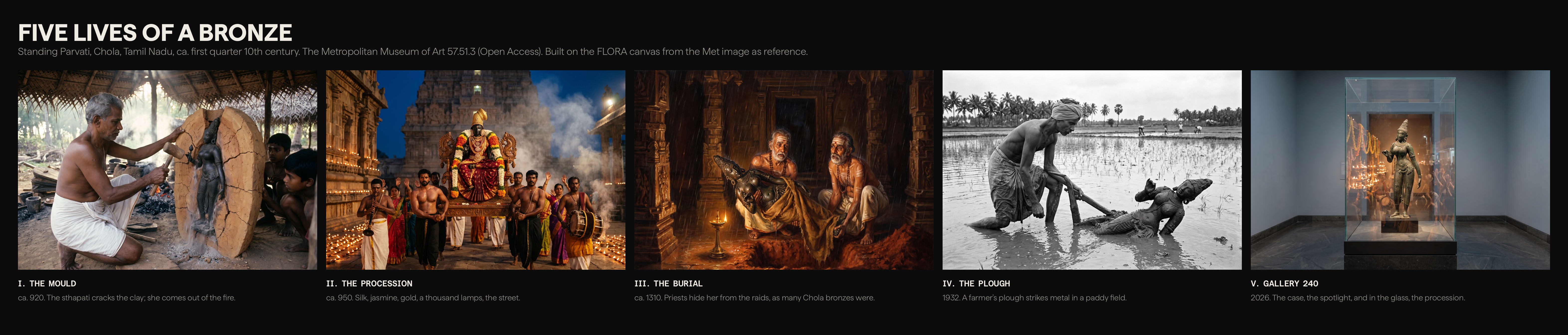
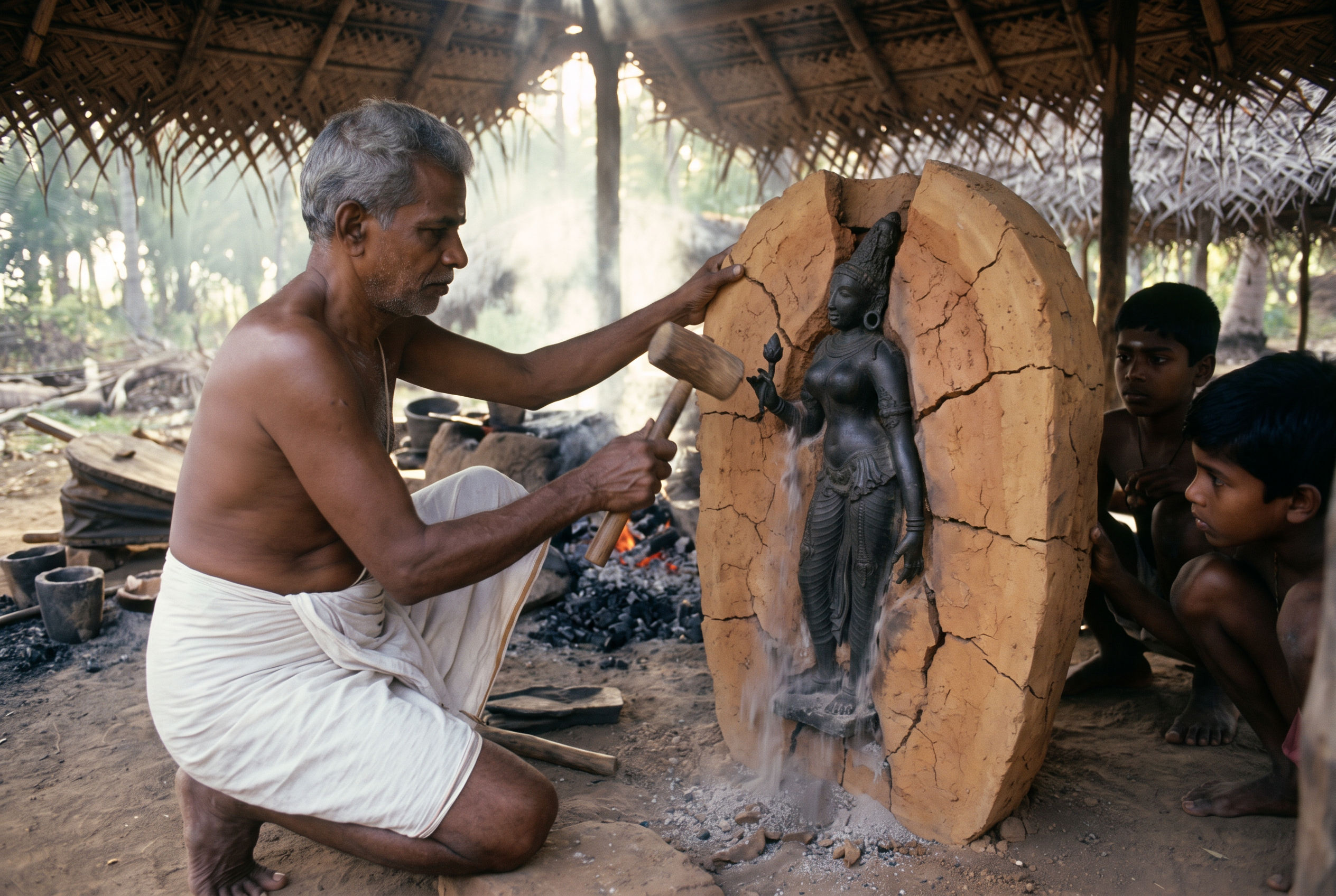
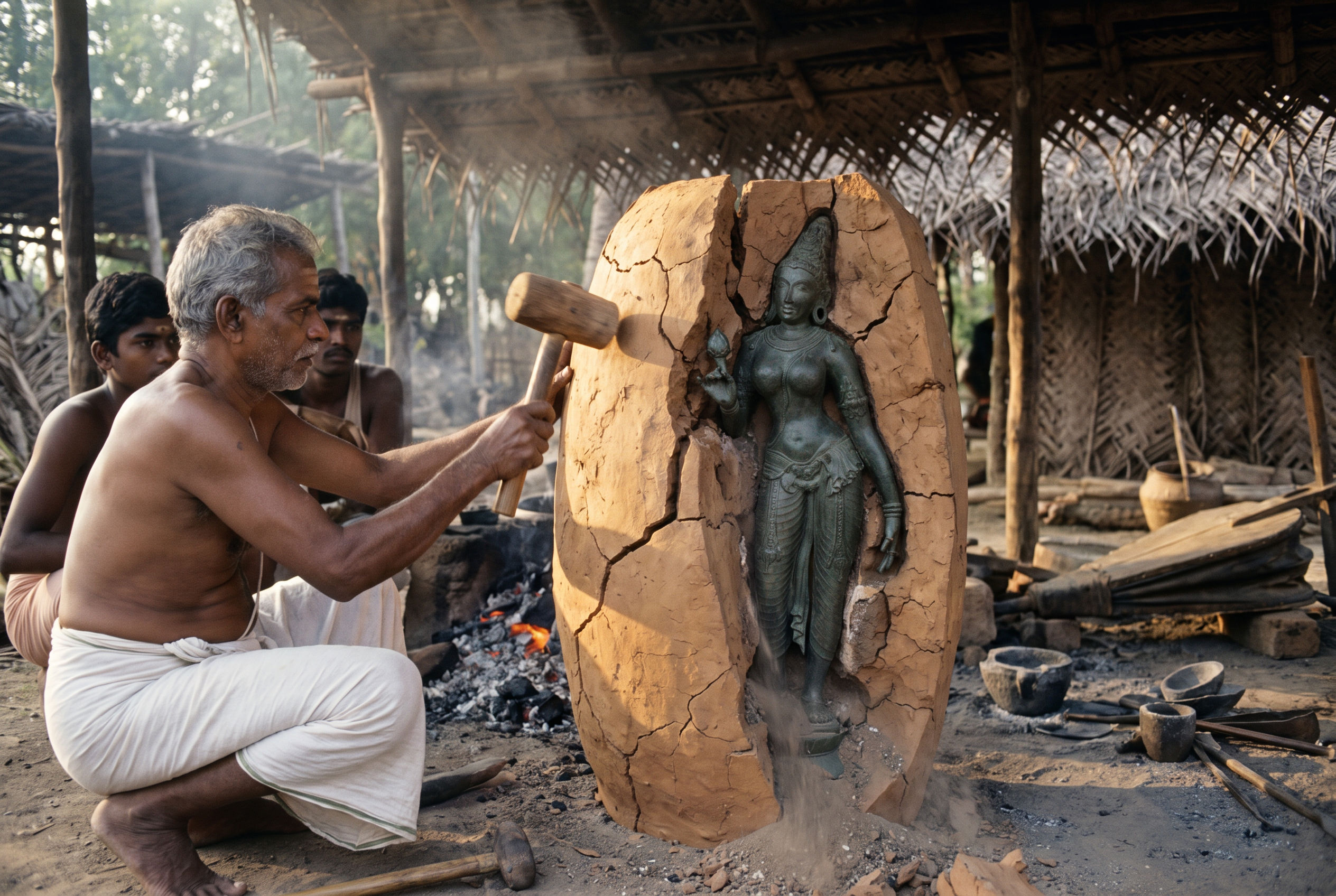
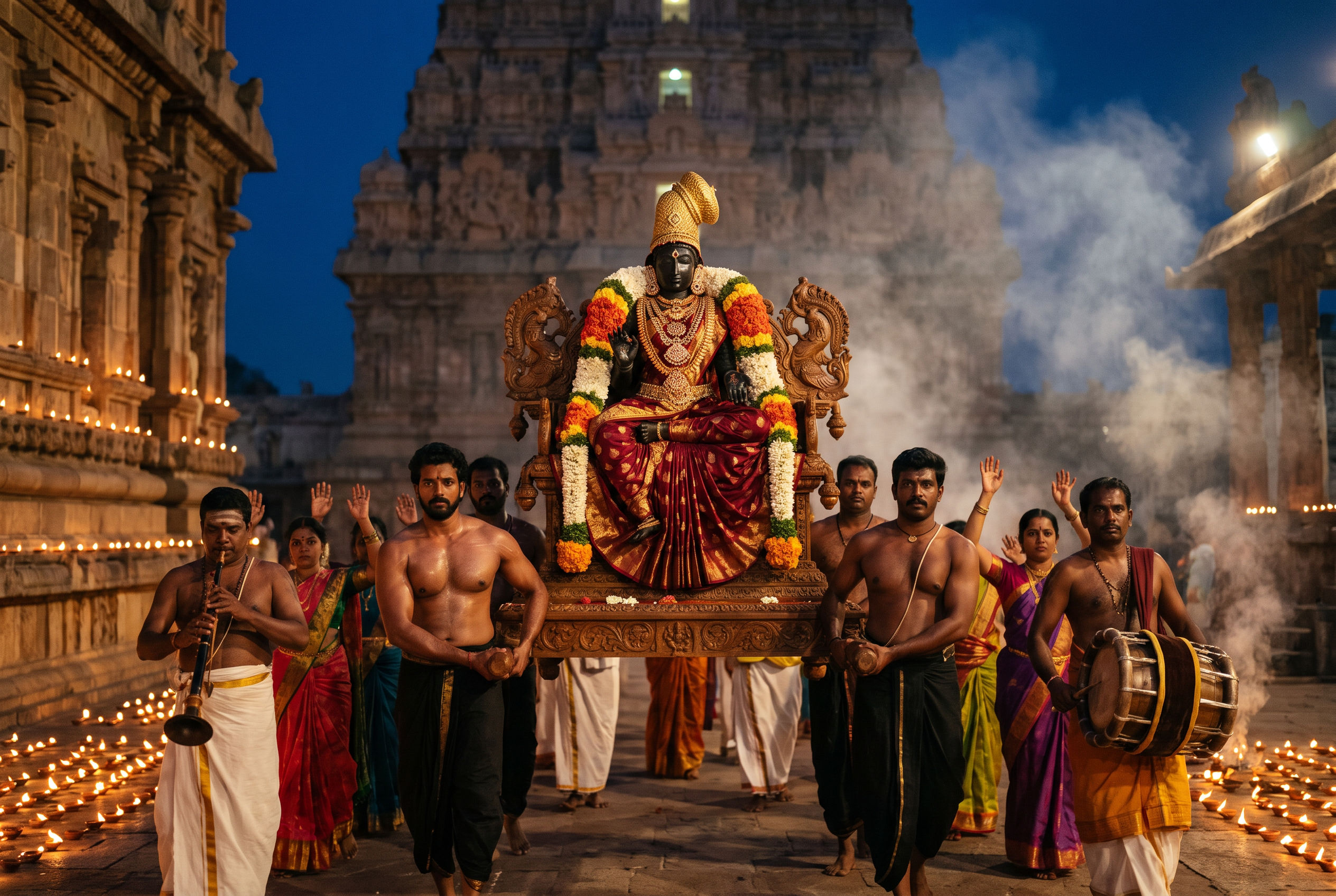
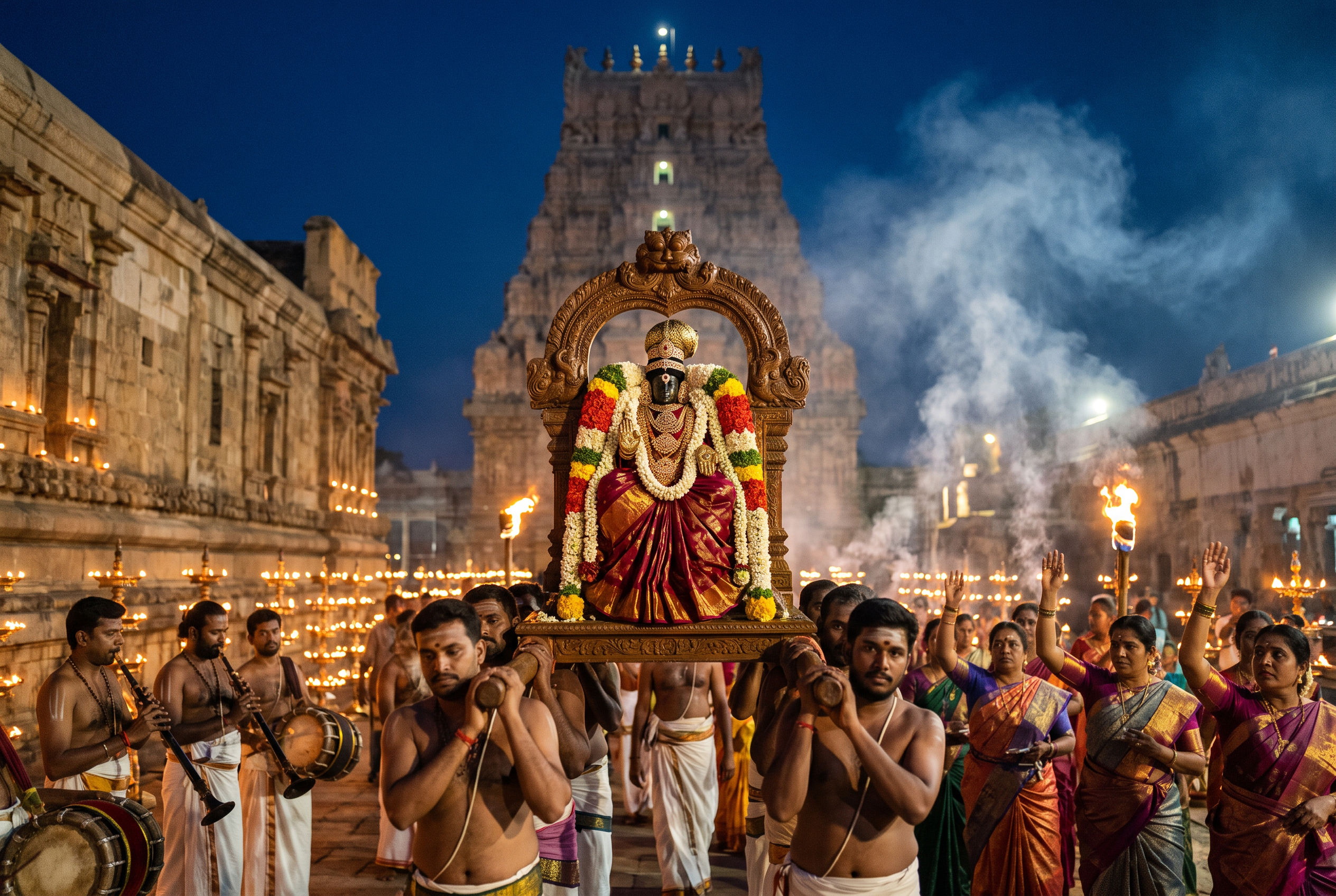
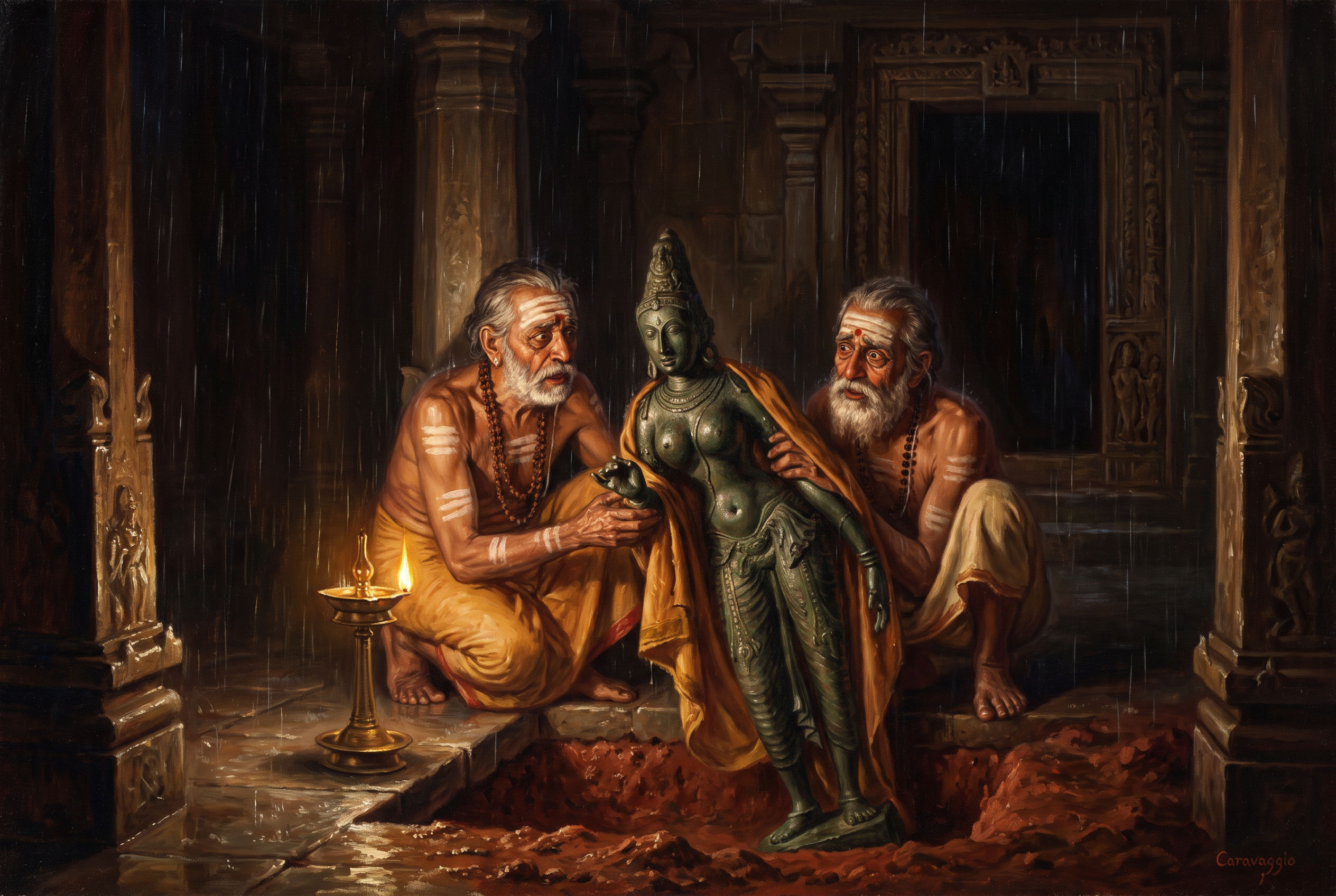
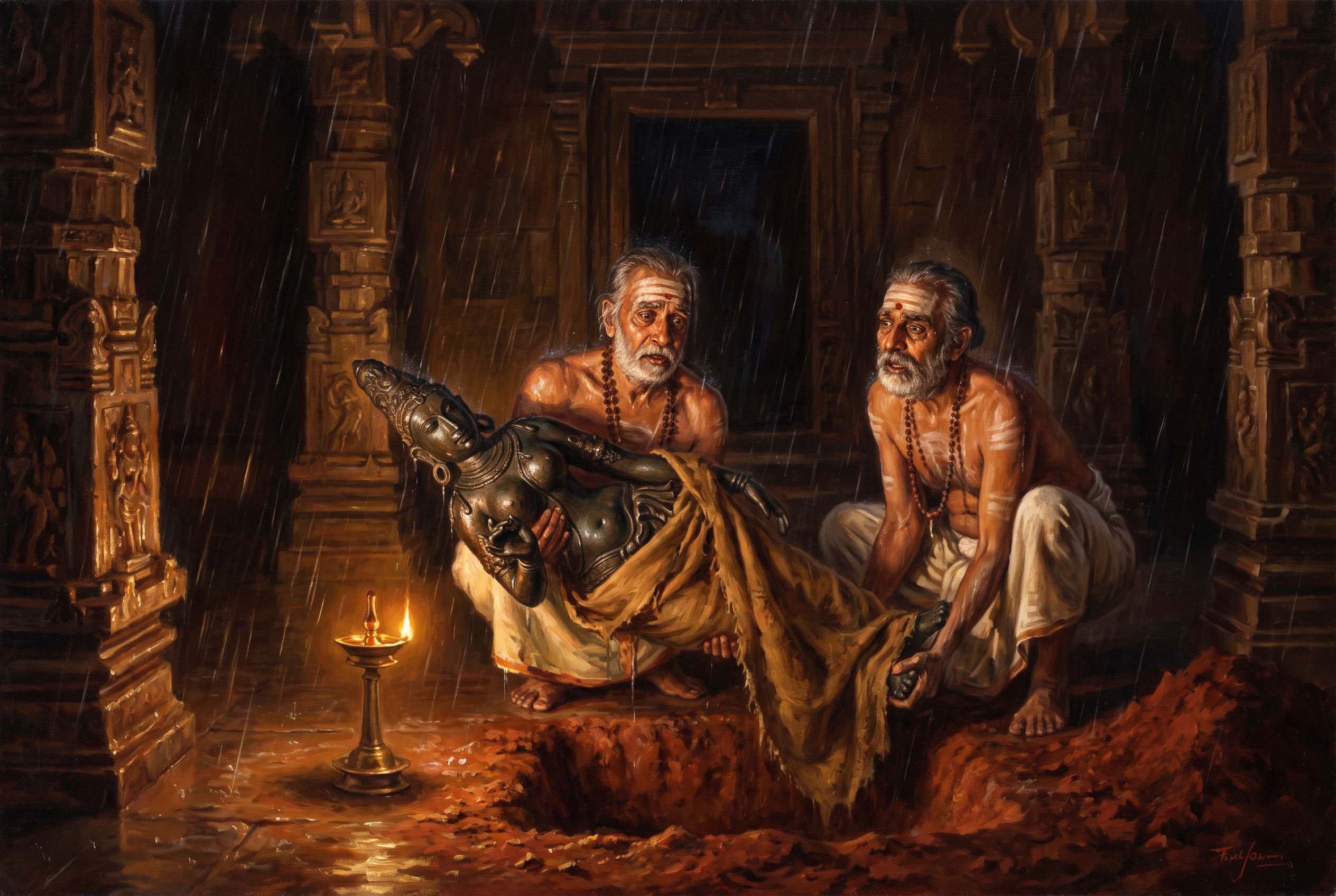
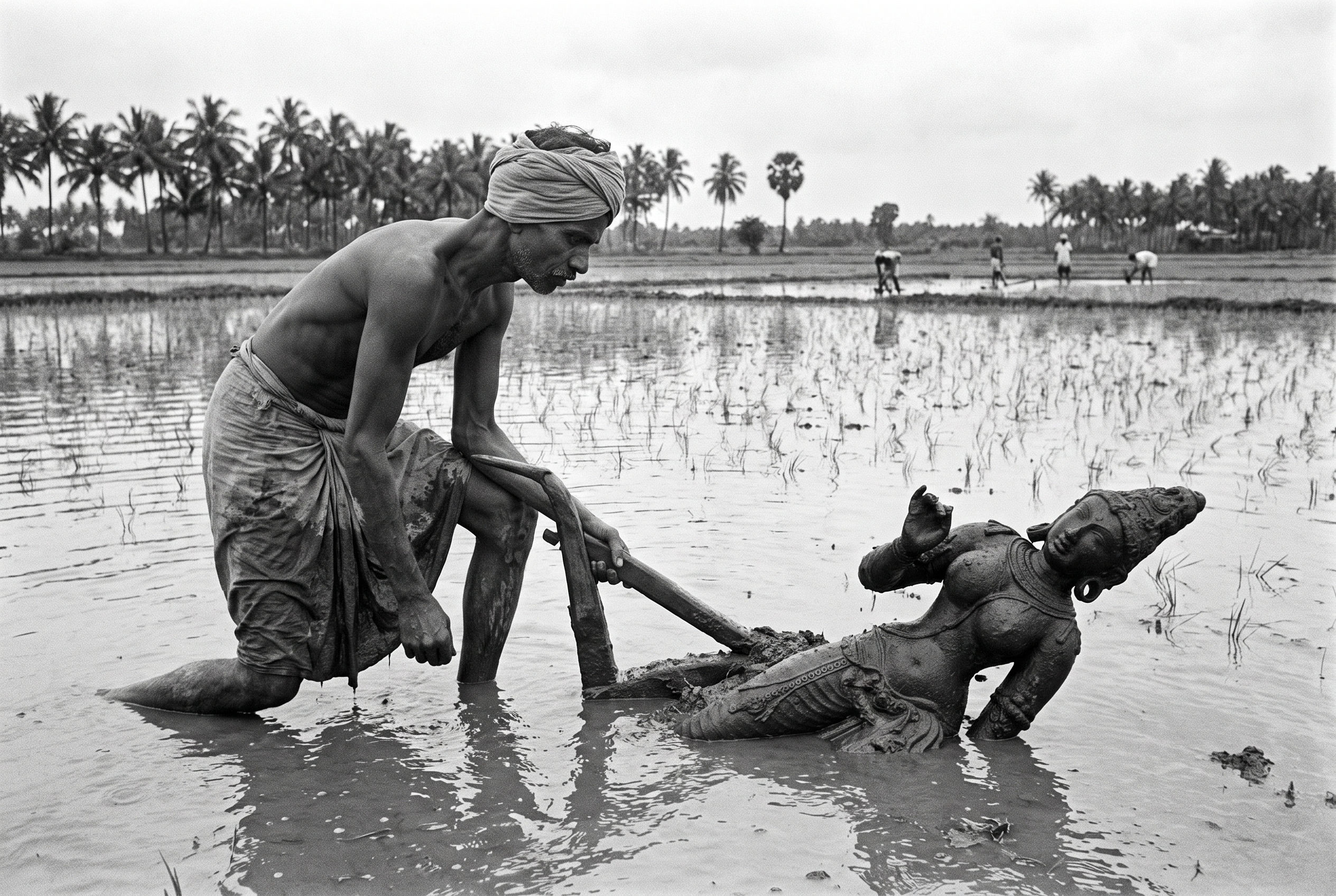
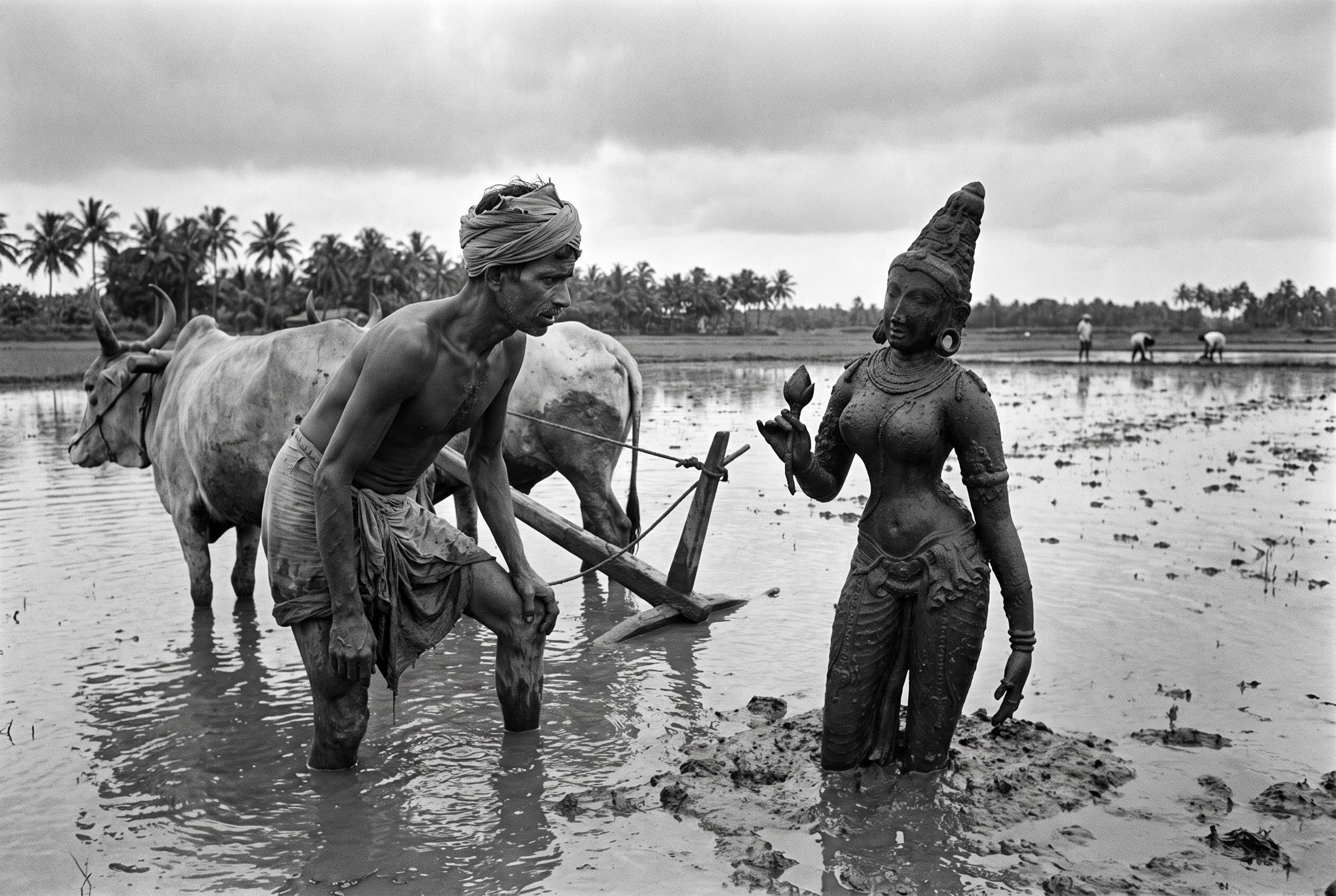
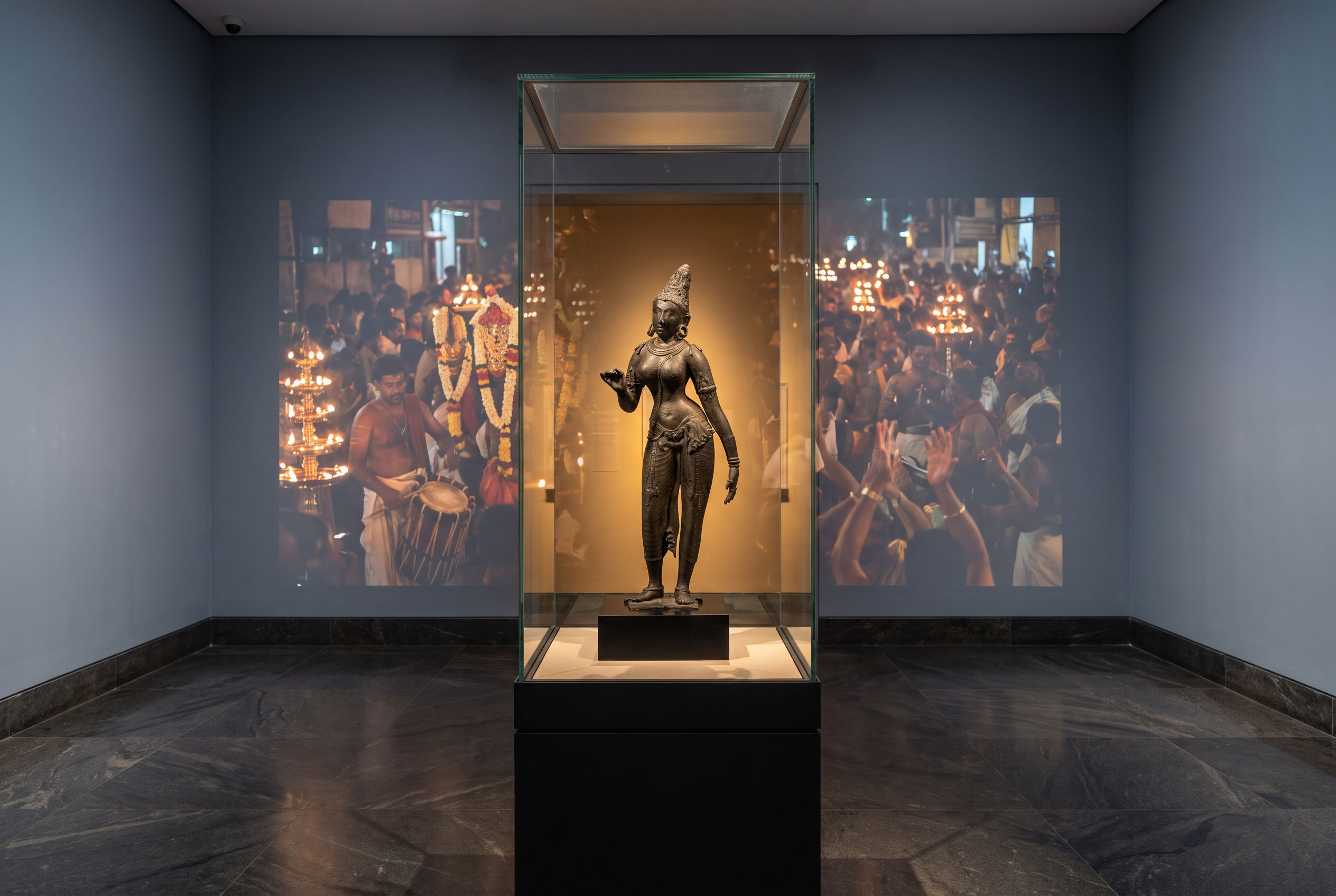
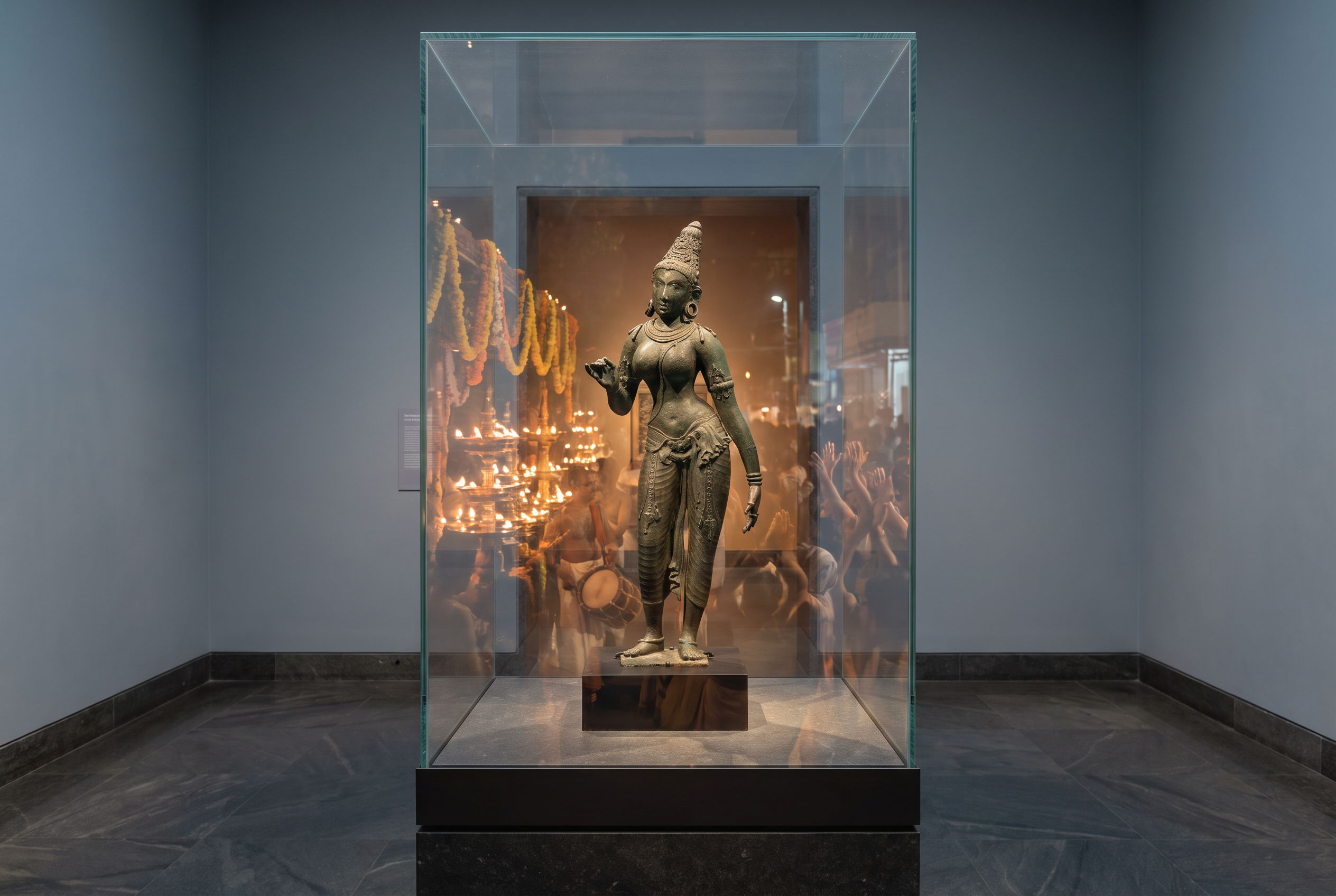
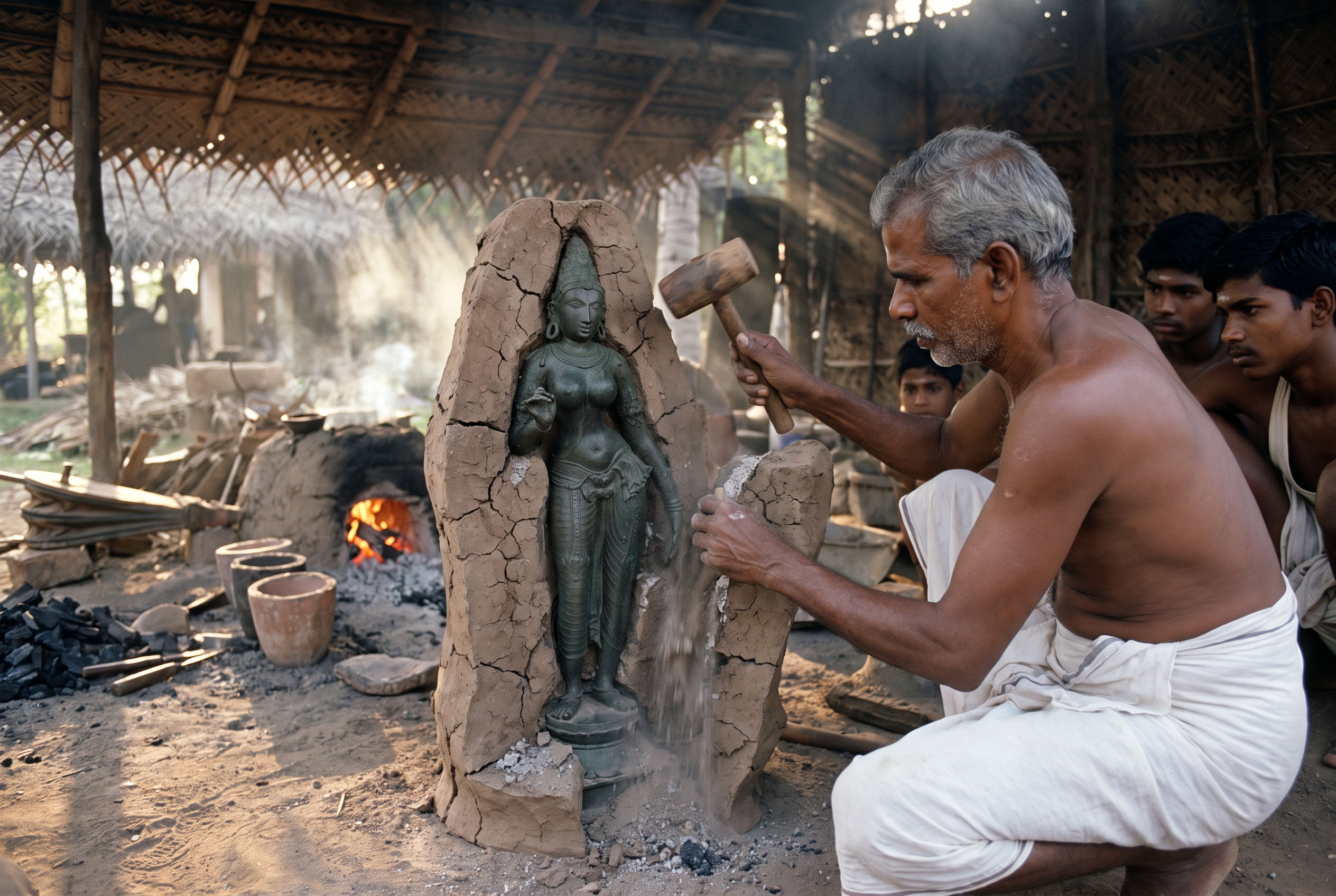
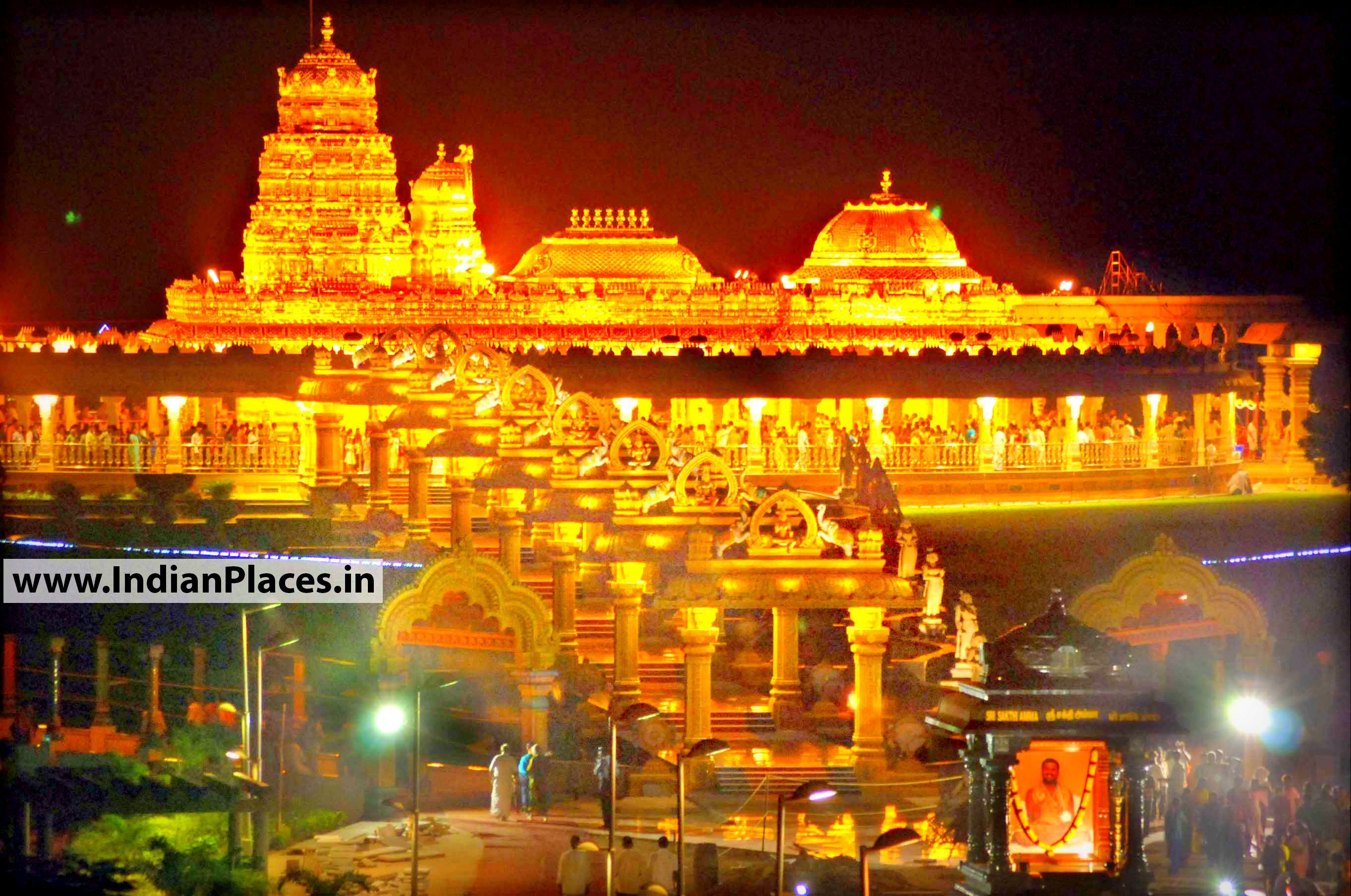
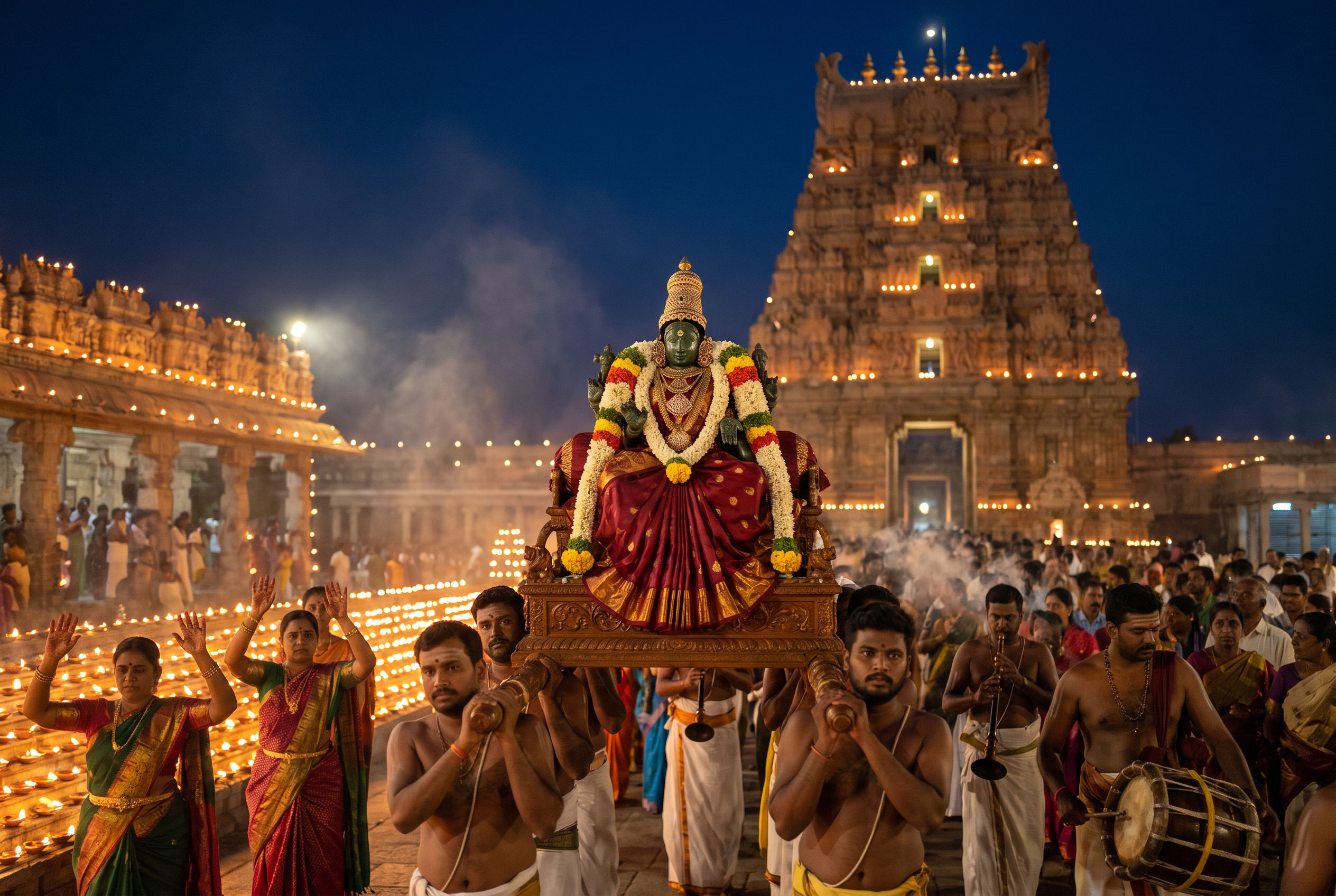
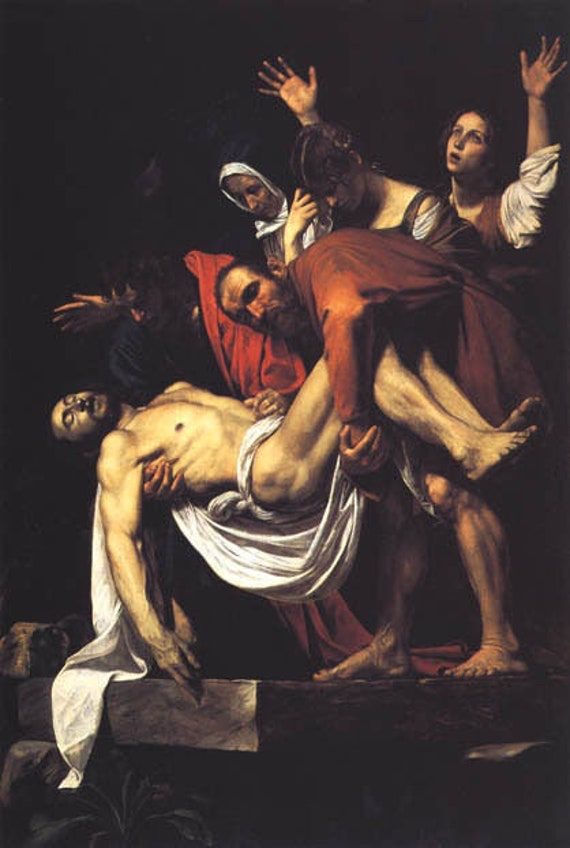
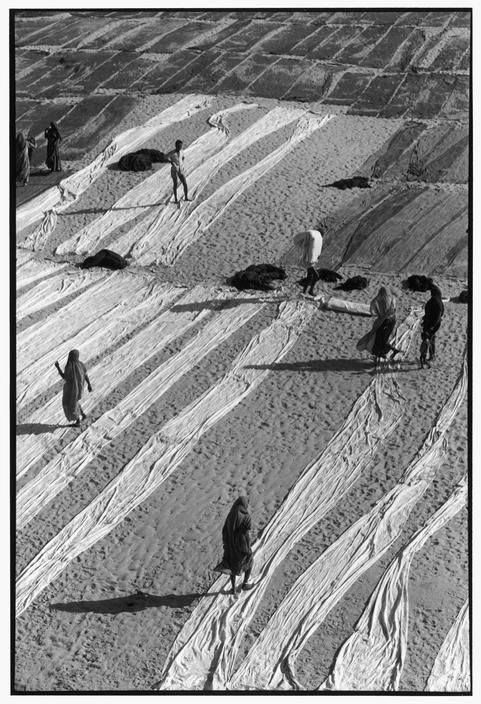
Pass 3 keeps Nano Banana Pro at 2K but adds a second input to every generation: a Pinterest reference for the medium of that life. A Swamimalai sthapati at work for the mould. A South Indian temple lit for a festival night for the procession. Caravaggio's Entombment of Christ for the burial. A Cartier-Bresson frame of rural India for the plough. A Chola bronze in a museum vitrine for the gallery. The prompt tells the model to take the medium, light and composition from the reference and the goddess from the Met image.
Final picks: mould, procession, burial and gallery from pass 3; the plough from pass 2 take A, where she is still lying in the mud being prised out, which is the truer moment.
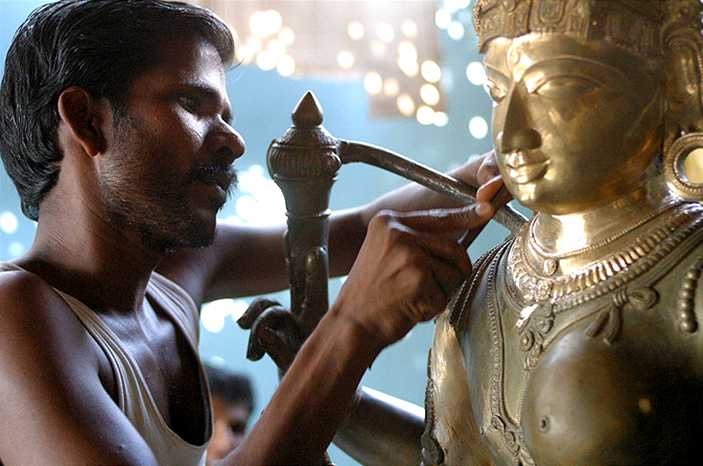
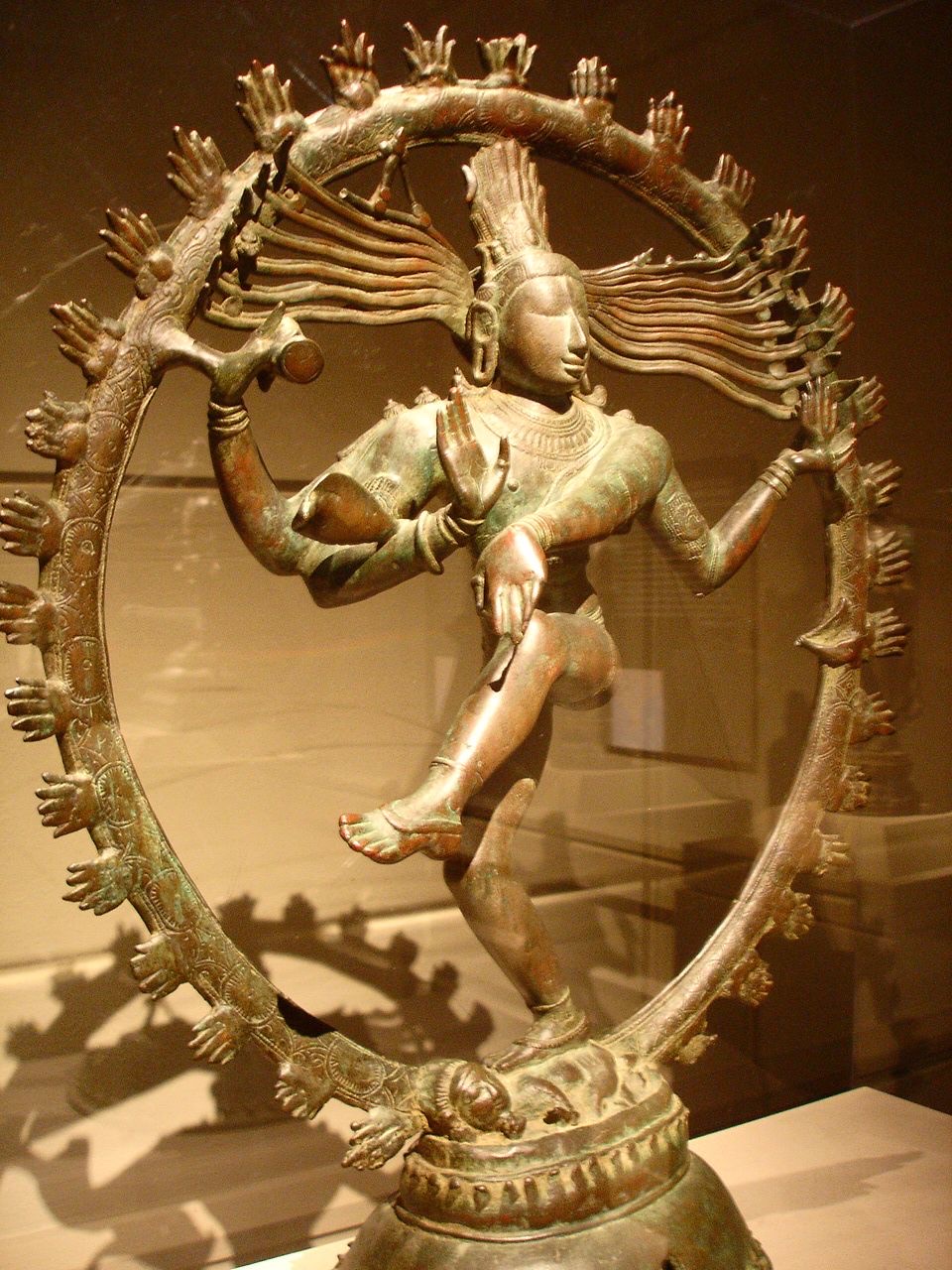
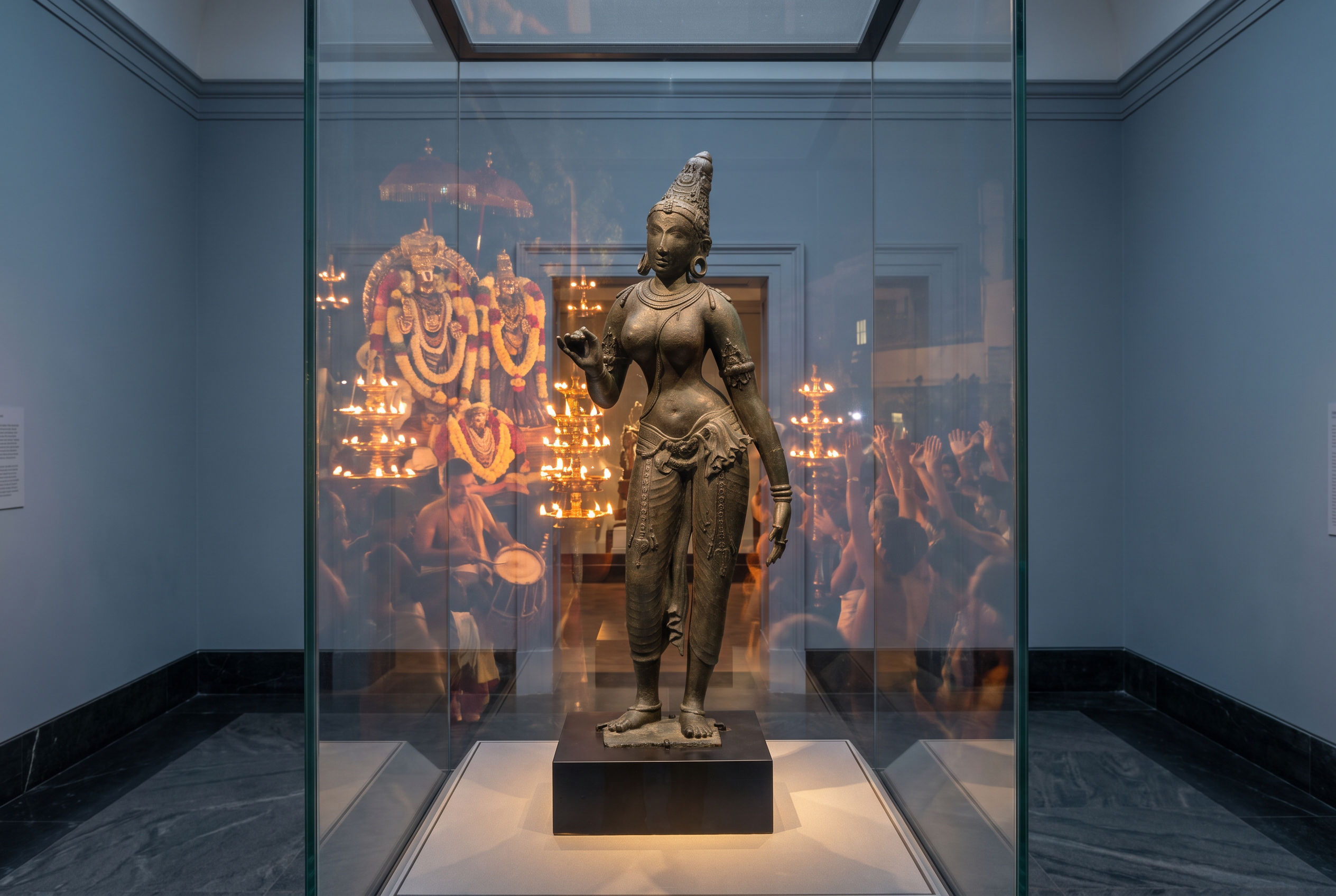
The Met photograph is the source node. Each life is an image-to-image generation wired to it (Nano Banana 2 on FLORA), holding her pose, crown and gesture while the world changes around her. Every scene is rendered in the medium of its own era, so the series reads like an archive that was never kept.
Gallery 240 took two passes. The first lost the reflection idea and produced a plain vitrine. The second put her old life back on the glass. Both stay on the canvas.
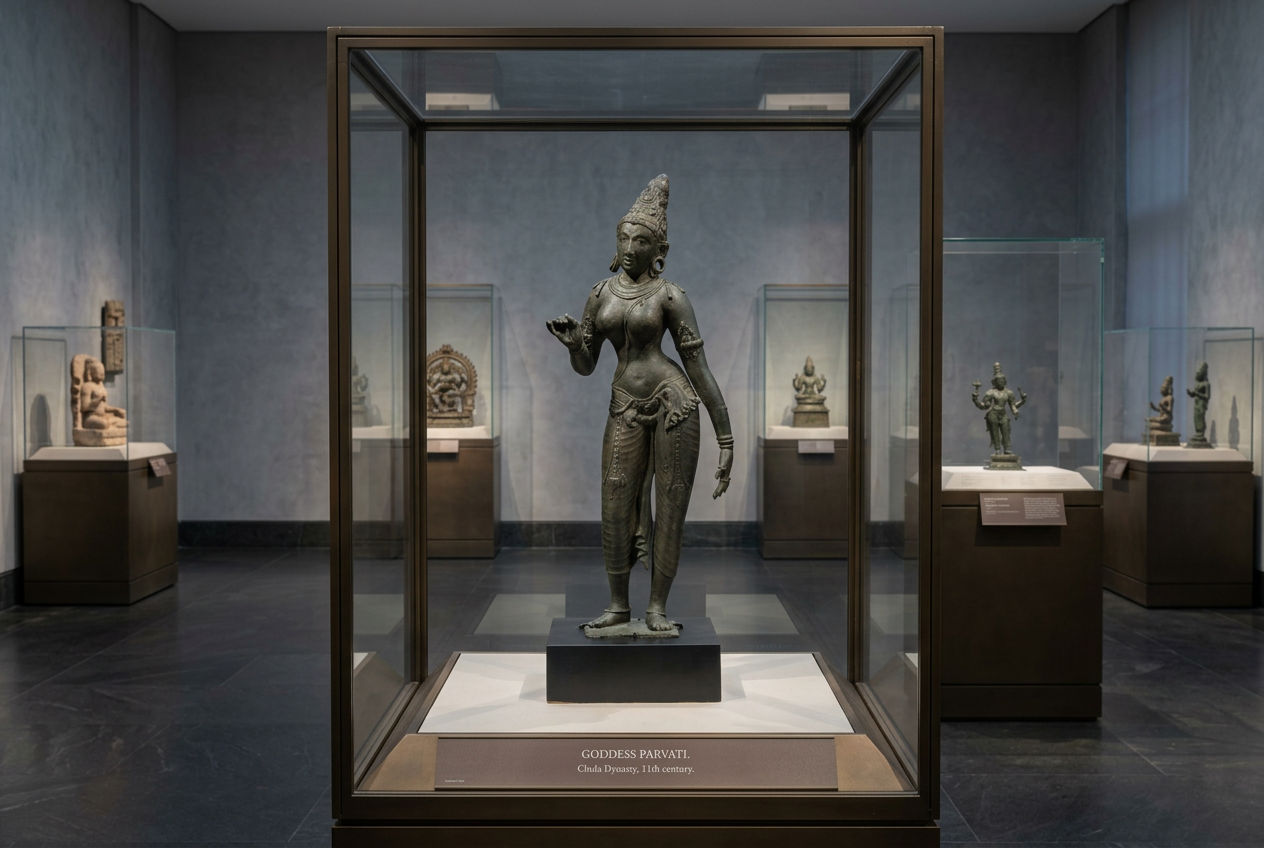
source  Standing Parvati, The Met 57.51.3 (Open Access)
   |-- image --> I.   The Mould          (35mm film)
   |-- image --> II.  The Procession     (cinematic colour)
   |-- image --> III. The Burial         (oil painting)
   |-- image --> IV.  The Plough         (black and white)
   |-- image --> V.   Gallery 240, pass 1
   |-- image --> V.   Gallery 240, pass 2 (the reflection)
text    the brief + one caption per life
final   five-panel strip, museum-label typography